Girl Up
Different forms of oppression aren’t independent of each other – they overlap. Feminism is not separate from issues like racism, homophobia, transphobia, and classism, which is why I joined the Editorial Board of Girl Up Unity, which is the Indian branch of Girl Up, an organisation formed by the United Nations.
We advocate for intersectional feminism, because the different identities of women overlap, and we need to work towards closing the gap between people from different walks of life. We want to spread awareness on intersectional feminism, so go follow our Instagram account, @girlupunity, to know more about it and help us out!
Here are some short format social media articles by me, for Girl Up TSRS and Girl Up Unity. Both are chapters of the United Nations Foundation.
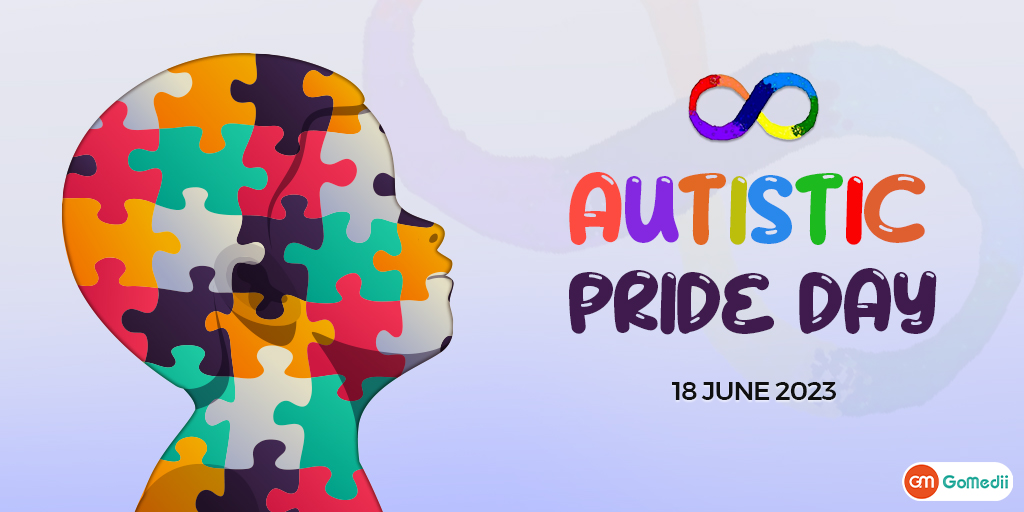
AUTISTIC PRIDE DAY
Ever since it received its name, autism has been regarded as a disease, as something that needs to be cured. However, autism is not an illness – it is simply a different way of thinking, perceiving, and reacting to stimuli. In fact, especially when they receive support, people with autism are capable of the same things that people without autism are. Worldwide, 1 in 100 children have autism, and even more have not been ‘diagnosed’.
People who have autism communicate and socialise differently, and might have highly-focused behaviour patterns. It is a spectrum, which means no two people exhibit the same skills and characteristics. Although having autism can be challenging, it can also give a person unique skills.
We must normalise autism. It is important to note that ‘normalising’ something doesn’t mean changing it to fit society’s norms and standards – rather, it means accepting differences and making them ‘normal’.
Every June 18th, we celebrate Autistic Pride Day. This day was first introduced in 2005 to spread awareness about autism, by a groups called Aspies for Freedom. The autistic pride flag, a rainbow infinity sign, represents the endless and varying possibilities. The Autistic Pride Movement is for people on the autism spectrum, led by people on the autism spectrum, which is what makes it so special. It is a symbol of fraternity and unity among autistic people, and we should extend this feeling of unity between both the neurodiverse and neurotypical.
Autistic Pride Day should be a reminder to all of us that neurodiversity isn’t an ‘illness’ or a problem – diversity is something that should be celebrated and treasured. Let’s aim to make our surroundings safe spaces for everyone, no matter who they are.

WORKING WOMEN IN COLONIAL INDIA
Women were told all their lives that ‘a woman’s place is in the home’ – and according to history, that’s where most of them stayed. Society during colonial India placed a high value on women’s domestic duties and discouraged them from pursuing careers outside the home. Women who did work outside the home were often viewed with suspicion and judged harshly by their communities.
But most of us haven’t heard about the women that broke through these gender stereotypes. There were some women who were able to establish successful careers and make a significant impact in their fields. One notable example is Rukhmabai, who became one of India’s first female doctors in the late 19th century. She faced significant opposition from both her family and the wider community, but persevered and ultimately made important contributions to public health in India.
Another example is Cornelia Sorabji, who became the first female lawyer in India in 1894. Sorabji faced significant discrimination and obstacles in her career, but persisted in her efforts and ultimately became a well-respected lawyer and advocate for women’s rights in India.
Despite the achievements of women like Rukhmabai and Sorabji, the vast majority of women in colonial India were not able to pursue their career aspirations to the fullest extent due to social and cultural constraints. Many were forced to work in low-paying jobs such as domestic service or textile mills, which offered little in the way of advancement or job security.
Apart from these notable names, there were also many women who worked almost invisibly, their labour unheard of even today. Before the introduction of factories and industries, textiles in India were created by women at home. The roles of these hardworking women were labelled as merely supportive rather than crucial, and they were paid less under the justification that women ‘weaker’ and ‘less productive’ than men.
Because of the cultural norms that prevailed, a majority of women were unable to recognise their own potential, and unfortunately, that is the case for many women even today. It is important to acknowledge and appreciate the efforts of women in history to pave the way for future generations to become closer to achieving equality.
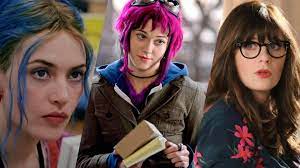
THE MANIC PIXIE DREAMGIRL TROPE
While the ‘Manic Pixie Dream Girl’ is a popular trope, she isn’t necessarily the ideal role model for young girl. The “manic pixie dream girl” (MPDG) trope is a character archetype commonly found in movies and books. This trope refers to a female character who is quirky, spontaneous, and often seen as a source of inspiration for the male protagonist. The term was coined by film critic Nathan Rabin in 2007, and it has since been widely used to describe female characters who exist primarily to serve the emotional needs of male characters.
While the MPDG character can be endearing and entertaining and at face value seems to be the sort of character we should aspire to be, it is also problematic in its portrayal of women. These characters often lack depth and are reduced to one-dimensional stereotypes, existing solely to aid the male protagonist in his personal growth. This reinforces the idea that women are only valuable when they are serving the needs of men, and perpetuates gendered power imbalances.
This trope can be seen as a reflection of the male gaze, as these characters are typically portrayed as attractive and sexually desirable to men. This reinforces the idea that women’s worth is tied to their physical appearance and their ability to fulfill male desires, rather than their own agency and autonomy.
The Manic Pixie Dream girl is a setback in the fight for gender equality. It reinforces harmful gender stereotypes and reinforces the idea that women exist solely for the benefit of men. By perpetuating these ideas, it limits the possibilities for women’s representation in media and reinforces patriarchal power dynamics.
Don’t get me wrong – there is nothing inherently wrong with displaying the characteristics and personality traits that are common the MPDG characters, but the problem arises when young girls who look up to these characters become content with being plot devices, or a side character in their own story.
The Manic Pixie Dream Girl trope is a problematic and limiting portrayal of women in popular media. It reinforces gendered power imbalances and harmful stereotypes about girls’ worth and agency. While it is not wrong to consume media content portraying Manic Pixie Dreams Girls, by recognizing and challenging this trope, we can work towards creating more diverse and empowering representations of women in media.

WHAT’S HAPPENING IN IRAN?
Mahsa Amini’s death enraged women around the world, and Iranian women stood firmly in solidarity with her and each other, taking to the streets to protest against the stringent and regressive laws in Iran by taking off their hijabs.
Defiantly chanting slogans like ‘Death to the Dictator’ and ‘Woman, Life, Freedom’, the women of Iran – including school students -have taken a stand by burning their hijabs and cutting off their hair. Their protests have incited passion in people around all around the world, who have come together to call for freedom for the women and girls who are restricted by Iran’s laws.
Although these brave protests have ignited the flame of rebellion in Iranian women against an authoritarian and dictatorial government, they have also resulted in tragedy. The authorities and police forces of Iran have tried their level best to forcefully suppress the riots, killing more than 200 people, including children. Iranian authorities have denied killing any protestors – however, they have been recorded firing weapons at civilians on the streets.
Some call it ‘ironic’ that while Iranians fight for their right to take off their hijabs, Indians fight for their right to wear them. In reality, they are both fighting for the same thing – a woman’s right to choose. The fight for women’s rights in Iran is far from over, but the rebellion has posed a threat to Iranian authorities and encouraged women to stand up for their rights, and even that is a powerful step in the right direction.
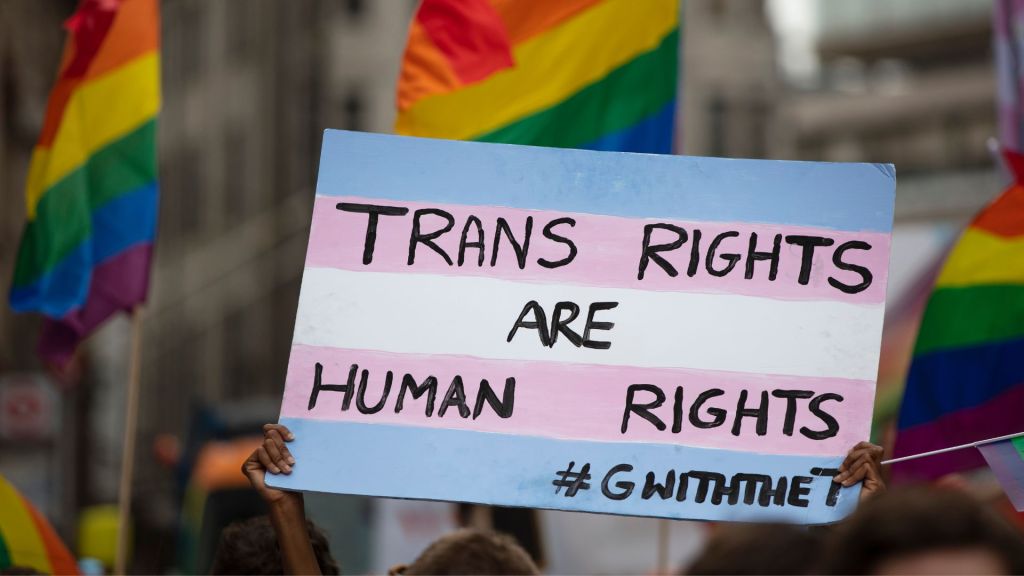
THE IMPACT OF COVID-19 ON THE TRANS COMMUNITY
Life for trans people has never been easy, but it was made even worse when the COVID – 19 pandemic hit.
Especially in India, many people who come out as trans are shunned by their families, and are forced to beg on the streets to earn their living; even this was taken from them during the lockdown, as everyone was shut in their homes. The few that did have work were left jobless after the loss of livelihood that affected everyone during the pandemic.
Unfortunately, shelter and food from a few NGOs was the only form of assistance that was provided.
Since the entire world was confined to their houses, access to hormone replacement therapy was either limited – those who were taking monthly testosterone hormones started menstruating again. Trans people were also isolated from their social support networks, which are extremely important for their mental wellbeing, and all these factors have resulted in a spike in suicide rates in the trans community.
On the brighter side, things are getting better. The transgender community is using ‘mutual aid’ as a way of keeping each other alive and mentally healthy. People like Grace Banu, a Dalit trans activist, have raised money and resources by crowdfunding for members of the transgender community. Another activist, Santa Khurai, has even set up quarantining centres for trans migrant workers.
The pandemic was also a chance for the transgender and non-binary community to focus on finding themselves and experiment with their gender expression. In other countries, people with access to devices also moved online to provide support via Zoom or other platforms in the form of social support groups and other social initiatives.
The trransgender community across the globe proved their courage, wisdom, and solidarity to the world, and continue to fight for their rights. We, too, can help them by donating funds to trans NGOs and ‘action centres’.

PAN SEXUAL VISIBILITY DAY
Pansexuality visibility day is celebrated every year on the 24th of May.
Pansexuality is one of the many sexual orientations that people belonging to the LGBTQIA+ community identify as.
While sexual orientation and interpretation are highly personal, in general pansexuality is the (romantic, emotional, sexual) attraction to people regardless of gender.
The word ‘pansexual’ comes from the Greek word ‘pan’, which means ‘all’. It was coined by Sigmund Freud, who said that we were all born to be attracted to many things (all though his definition mostly meant platonic attraction rather than romantic).
An easy way to understand pansexuality is the phrase “hearts, not parts”. A pansexual person is attracted to a person for their personality.
Pansexuality is similar to bisexuality, but it is not the same. Bisexuality means being attracted to two or more genders, but it does not mean being attracted to all genders. On the other hand, pansexual is a broader term. It means that gender and sex and gender do not play any role in who a pansexual person may be attracted to.
There are many misconceptions and stigma regarding pansexuality. People seem to believe that because a person is pansexual they are more likely to be promiscuous or unfaithful to their partners. While this is completely untrue, it leads to people disregarding consent towards pansexuals. As a result of such stigmas and beliefs, pansexual people are more likely to be victims of domestic violence than those who identify as lesbian, gay, or straight.
Those who are pansexual, or even bisexual, are always regarded as uncertain about their sexuality and gender identity, which often makes them feel invalidated, alienated, and sometimes even result in imposter syndrome.
Everyone is different – this Pansexuality Visibility Day, let’s celebrate our differences rather than let them tear us apart. Whether or not you know someone who identifies as pansexual, try to respect pansexual people and educate yourself about it. This can help us all create an accepting and non-judgemental society that is inclusive of all people.

GENDER- BASED WAGE GAP
For every dollar made by men worldwide, a woman earns 77 cents.
The United Nations’ fifth Sustainable Development Goal is gender equality – but statistics show that the world isn’t on the right track. According to the Word Bank report, ‘Women, Business, and the Law’, 90 economies have adopted the goal to achieve equal pay for equal work, but despite the introduction of such laws and plans, the pay gap between men and women persists.
For every 1 dollar earned by a white man, a white woman earns $0.79, a black woman earns $0.62, and a Hispanic woman earns just $0.54. The UN’s goal is to attain equal pay by 2030 – but at this rate of progress, we may only achieve this by 2070.
Our own country, India, is ranked 108 out of 149 countries on the Gender Gap Index, according to the World Economic Forum’s Global Gender Gap Report in 2018. We rank 142nd in the economic opportunity and participation subindex.
So why does this stark wage gap exist? The main reason is the deep-rooted idea of traditional gender roles, stereotypes, and prejudices that still exists even in the most developed and progressive countries. Most women worldwide are driven out of the workforce after childbirth and marriage, are expected to raise their children, and look after the household. While these are jobs in their own right, they are unpaid; no money is earned for domestic services such as homeschooling one’s own children, looking after them, etc. As a result, there is already a great difference in the number of employed men and the number of employed women.
Even if women do work, they tend to have to work fewer hours to accommodate their ‘unpaid obligations’. There is also the idea of ‘men’s jobs’ and ‘women’s jobs’. Historically, so-called ‘women’s jobs’ include those like nurses, maids, and child-care workers, which typically aren’t as high paying as ‘men’s jobs’, which include science, architecture, finance, etc. Again, the idea of traditional gender roles is to blame for this. A woman is less likely to be taken seriously in a ‘man’s job’, while a man would be mocked and ridiculed for having a traditionally female-oriented career. For example, female doctors aren’t respected as much as male doctors, and male nurses are often made fun of.
The wage gap is not a gender-related problem alone – it is complex, nuanced, and intersectional. This economic inequality is also greatly influenced by other social hierarchies such as race, caste, and religion. To combat the ever-increasing pay gap, we first need to work towards equal pay for women of all races, castes, etc., and only then can we finally close the gap between women and men. We must confront cultural biases and prejudices that are rooted so deeply in our society, and give women more incentive to work. We can do this by giving more women access to paid family leave, which would increase their economic security and minimise losses of jobs. The world needs to take action and work towards breaking free of the shackles of traditional gender roles and boundaries because the confinement of both men and women to careers that were supposedly ‘made for their gender’ is one of the biggest reasons for the economic gap between women and men.
AUDRE LORDE

“I write for those women who do not speak, for those who do not have a voice because they were so terrified, because we were taught to respect fear more than ourselves. We’ve taught that silence would save us, but it won’t.”
These words were spoken by Audre Lorde, self-described “black, lesbian, mother, warrior, and poet” who was one of the first people to criticise the second-wave feminist movement and call it out for advocating the rights of only heterosexual, white women. She noticed that the movement did very little for women from minorities, and she urged them to address issues such as racism, homophobia, ableism, and classism.
Lorde’s writing about her struggles with homophobia, racism, and sexism were often described as ‘angry’ – a word which usually has negative connotation. But rather than being discouraged, Lorde embraced this ‘anger’, and encouraged other women to acknowledge their emotions and translate them into actions by being vocal about their struggles.
In a collection of her essays and poems, Lorde wrote, “It was hard enough to be black, to be black and female, to be black, female, and gay. To be black, female, gay, and out of the closet in a white environment.” She spoke about why it is so important to acknowledge the fact that feminism must be intersectional; the feminist movement cannot be separate from other forms of oppression. To close the gap between genders, we must close the gaps between diverse women.
‘Feminism’ means equality for all women and men – not just the privileged ones. As someone who grappled with many aspects of her identity – her gender, race, class, and sexuality – Lorde viewed the differences between us as strengths rather than weaknesses, and she believed in the upliftment of women from all walks of life.
“I am not free whilst any woman is unfree, even when her shackles are different to my own”. Audre Lorde helped countless women break free from the shackles of patriarchy, and her views hold importance even in today’s world.
INTERNATIONAL DAY OF WOMEN AND GIRLS IN SCIENCE

If you are a girl, chances are that you’ve been told too often that “science is for boys”. I still remember someone telling my younger sister to choose dance classes over science, just because she was a girl.
Science has always been widely regarded as something that girls are bad at, or not interested in, but in reality, ground-breaking research all over the world has been led by women. Despite their contributions to the field of science, women continue to be excluded by the gender gap.
Research shows that women are usually given much smaller research grants than men in the same field, and while they represent almost 40% of researchers, they make up a mere 12% of national science academy members. Women like Marie Curie and Rosalind Franklin have been the brilliant minds behind major scientific discoveries, and yet they are still not taken seriously by society.
In 2015, the General Assembly of the UN declared the 11th of February as ‘International Day of Women and Girls in Science’, to promote equal access to and participation in science for women around the world. The world needs science, and science, in turn, needs women. We celebrate this day to recognise the achievements of women and girls throughout history and all over the world, and encourage them to continue to break the glass ceiling, crush stereotypes, and close the gender gap.
Let’s create a world where no one has to be told that they can’t do something; where no one is unappreciated or under-represented; where all genders are equal. Science is one of the most important languages of the world – we need it to solve some of the universe’s greatest mysteries. Why can’t that be for people of all genders?
 De Omnibus Dubitandum